
REVIEW · USA
Paramus Indoor Skydiving Experience with 2 Flights & Personalized Certificate
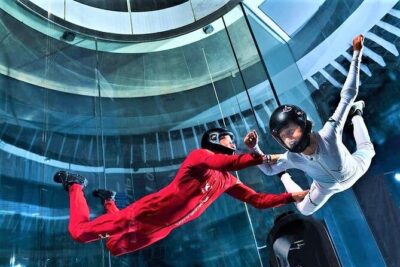
The wild part comes quickly: a wall of air lifts you off the floor and holds you in place. You get the feel of free fall without boarding an aircraft, and two 60-second flights give you a chance to correct your position and enjoy the second try more.
I like the careful instruction and the fact that your instructor stays with you in the chamber. I also like the certificate at the end, a small but useful souvenir for a birthday, family outing, or first-time thrill. The main drawback is that each flight lasts only one minute, while check-in, training, and waiting take most of the 75-minute visit.
Key points to know before you book
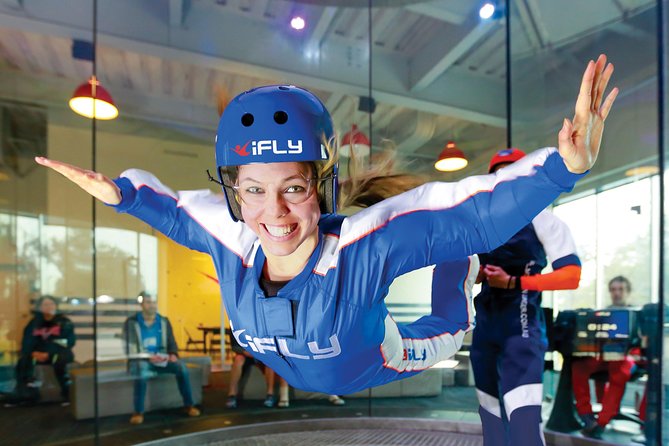
- An 800-horsepower wind tunnel: Smooth, wall-to-wall airflow keeps you floating inside the enclosed chamber.
- Two one-minute flights: Your first attempt teaches you the basics, while the second gives you time to improve.
- One-on-one instruction: You fly with a certified instructor, even though your session may include up to 12 people.
- A family-friendly age range: Children from age 3 can participate if they are at least 40 inches tall.
- A practical souvenir: You receive a personalized certificate of flight achievement after your session.
- Plan for restrictions: Pregnancy, some medical conditions, hard casts, and weight over 300 pounds rule out participation.
What happens at iFLY Paramus
The meeting point is iFLY Paramus at 211 Route 4 in Paramus, New Jersey. The activity is listed under Newark, but the actual site is in Paramus, so check your route carefully before setting out. You arrange your own transportation, and the session ends where it begins.
Arrive 10 to 15 minutes early. The scheduled session begins promptly, and arriving late can make the whole process more rushed. A mobile ticket is accepted, and the activity is offered in English.
Your visit begins with check-in and gear. You will put on a flight suit over your clothes, then add the safety equipment provided by iFLY. Wear comfortable clothing underneath, preferably pants and a shirt without a collar. Lace-up sneakers or running shoes are the right choice. Leave watches, rings, necklaces, bracelets, loose earrings, and hair accessories at home or place them in a locker. Empty your pockets before entering the chamber.
Long hair should be braided and secured in a low bun. Glasses are allowed, and larger goggles can fit over them. The flight suit is not just for looks. Its handles give the instructor a safe place to hold or guide you when needed.
More Indoor Skydiving in the USA
Training comes before the wind tunnel
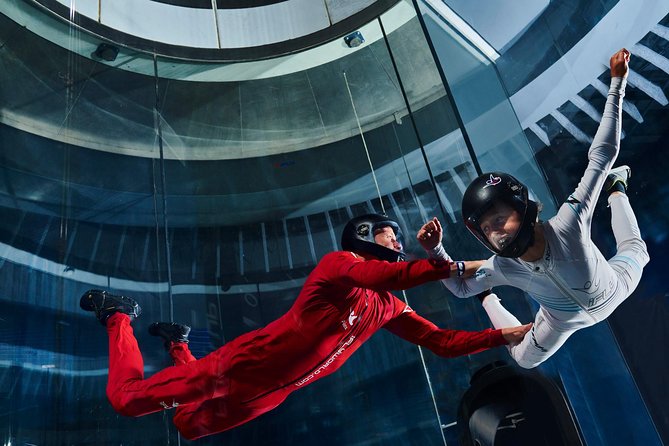
Every first-time flyer takes a training class. This is where you learn the body position that keeps you stable in the airflow, how to communicate with the instructor, and what to do when entering and leaving the chamber.
You will also practice the basic flying position before the real flight. That preparation matters. The air column is powerful, and the body position is not something most people know naturally. Listening closely makes your first minute more productive.
Your session may include as many as 12 people, but you will not all fly together. The group watches while each person enters the chamber one at a time with an instructor. Friends and family who are not participating may watch from the observation area.
This arrangement works well for a mixed group. You can share the event with children, parents, or friends without needing everyone to be inside the tunnel at once. It also means there can be waiting between your own flights, so do not expect 75 straight minutes of physical activity.
The first flight: learning to float
Inside the enclosed chamber, the operator gradually raises the wind speed. The airflow can reach roughly 130 to 175 miles per hour, or 209 to 282 kilometers per hour. That sounds fierce, but the air is directed upward through a stable column, not blasted randomly from the side.
Your instructor enters with you and helps you find the correct position. The wind supports your body from below, producing a free-fall sensation without a jump from a plane. You do not step off an edge, and there is no sudden drop. For most first-timers, the challenge is controlling arms, legs, and posture rather than coping with fear of heights.
Breathing is not a special skill here. You can breathe normally through your mouth or nose, much as you would with your head out of a moving car window. The goggles and helmet help protect your face and eyes from the moving air.
The first flight is likely to feel short. You are processing instructions, adjusting your body, and getting used to the sensation. If you wobble or drift, the instructor is there to guide you. Some first-time flyers may manage basic turns or movement, but flips and tricks are intended for people with more experience.
The second flight gives you a better chance
The strongest reason to choose this package instead of a single flight is the second attempt. After your first 60 seconds, you have a clearer sense of how the air supports you and what the instructor is asking you to do.
Use the break between flights to remember one or two corrections rather than trying to fix everything at once. A small change in arm position or body angle can make a noticeable difference. Your instructor may also introduce a little more movement if your control is ready for it.
The second minute is still brief, but it often feels more useful. You are no longer spending the entire flight figuring out what is happening. If your goal is simply to feel weightless, one flight may be enough. If you want a fair chance to improve, two flights offer better value.
Same sky, a different way down:
- Atlanta Indoor Skydiving Experience with 2 Flights & Personalized Certificate
★ 4.5 · 68 reviews - Chicago Lincoln Park Indoor Skydiving with Two Flights
★ 4.5 · 67 reviews - Fort Lauderdale Indoor Skydiving with 2 Flights & Personalized Certificate
★ 4.5 · 57 reviews - Phoenix Indoor Skydiving Experience with 2 Flights & Personalized Certificate
★ 4.5 · 55 reviews
Why the instruction matters
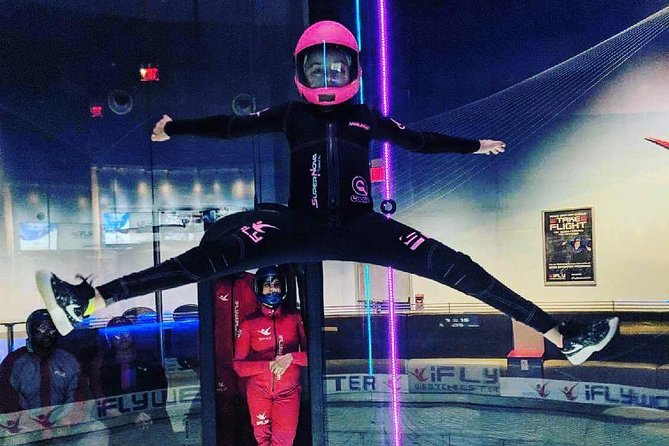
The wind tunnel is designed so the airflow fills the chamber from wall to wall. You are not balancing on a narrow stream of air, and the instructor remains close throughout your flight. That design, combined with the training, makes this far more approachable than an actual aircraft jump.
The staff also shape the mood of the session. Several reviews singled out the team’s kindness and professionalism, especially with younger flyers. Miguel received particular praise for helping nervous participants settle in, while Shane was associated with continued skill-building for people interested in improving their technique.
Those names are useful to know because the instructor’s attitude can affect the whole visit. First-timers often arrive excited but unsure. A calm instructor who explains the next move clearly is more valuable than a dramatic speech or flashy trick.
Is it frightening?
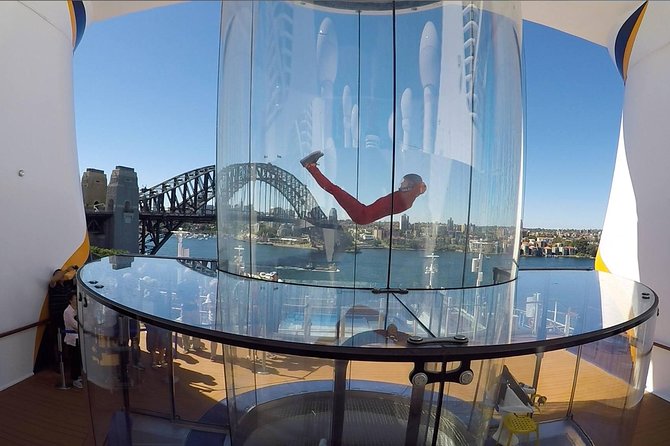
The chamber looks imposing, and the sound of the air system can make the first few minutes feel serious. Still, the activity removes two common fears: there is no plane and no sensation of falling from a height.
You may feel nervous before entering, especially if you dislike heights. Yet the chamber keeps you close to the floor, and your instructor controls the pace. The airflow supports you rather than letting you drop.
It is also not normally a motion-sickness activity. You are floating in place rather than spinning through space. If you have concerns about your own comfort, use the training class to ask questions before your flight.
Safety, health, and age limits
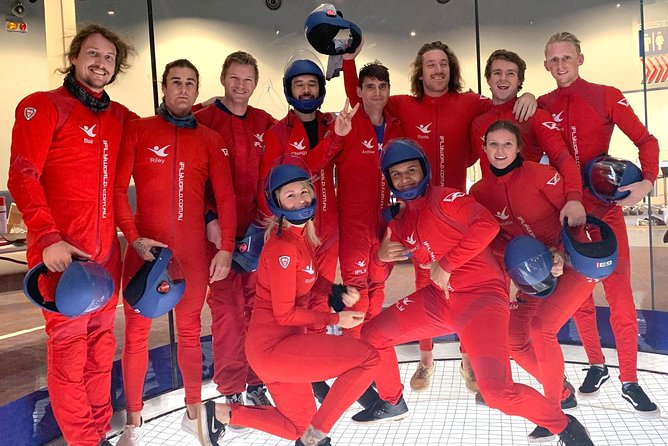
The minimum age is 3 years, and a child must also be at least 40 inches tall. Anyone under 18 needs a parent or legal guardian to sign the waiver. There is no stated upper age limit, but the activity requires a moderate level of physical fitness.
You cannot participate if you are pregnant, wearing a hard cast, or have certain neck, back, heart, or shoulder conditions. A history of shoulder dislocation is specifically listed as a restriction. These rules are worth checking before you pay, especially if you are booking for a child or older family member.
The standard limit is under 300 pounds. If you weigh between 260 and 300 pounds, local staff must assess whether you can be accommodated and whether extra restrictions apply. The booking information asks you to note your current weight in the special requirements area to help avoid delays.
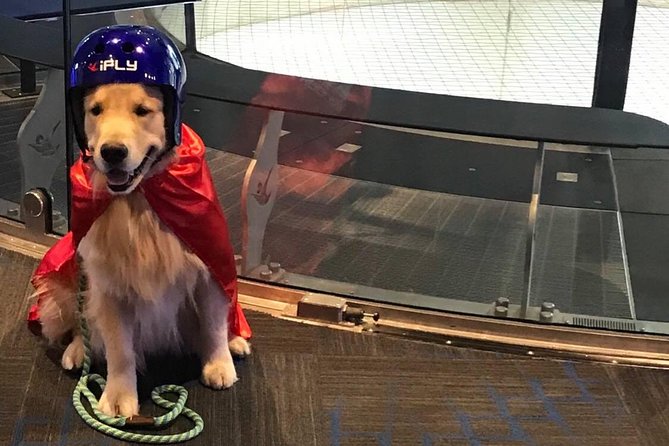
Service animals are allowed. The flight area itself has its own equipment and safety rules, so contact the location directly if you need to clarify a specific accommodation.
Who will enjoy this most?
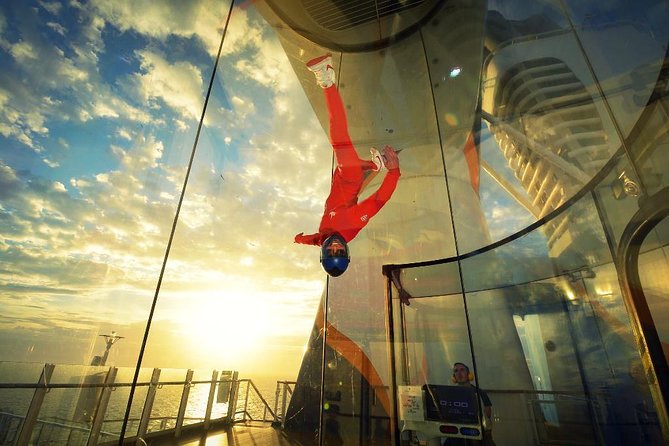
This is a good pick for a family outing, a birthday group, or anyone who wants a first taste of free-fall conditions without committing to an aircraft jump. The age range makes it workable for families with young children, older children, and adults in the same session.
It also suits people who are curious about the sport side of indoor flight. One of the package’s appealing details is that you are not limited to a one-off stunt. With more visits, you can work on control and technique, although advanced tricks are not part of the basic first-time session.
I would be less enthusiastic if you want a long physical activity or uninterrupted tunnel time. Two minutes in the air is the core of the package, not the full length of the visit. The rest consists of training, gearing up, watching other flyers, and moving through the session.
Is $114 a fair price?
At $114 per person, the cost includes two flights, training, all required gear, one-on-one instructor guidance, taxes, fees, and a personalized certificate. You do not need to rent equipment separately or pay an extra handling charge.
The value depends on what you want. For a simple thrill, the price is higher than many short entertainment activities because the tunnel, staff, instruction, and specialized equipment are all part of the package. For a birthday or family event, the shared occasion and certificate make the cost easier to justify.
The second flight improves the value. A single 60-second attempt would leave little room to learn from mistakes. Here, you get another chance after understanding the body position and the instructor’s signals.
Food, drinks, and hotel pickup are not included. Plan those separately, and remember that the activity is at Paramus rather than in central Newark.
Timing and cancellation details
The advertised visit takes about 1 hour and 15 minutes, although the first-time flyer information also describes the full session as approximately 1 hour and 30 minutes. Allow extra time rather than scheduling a tight connection afterward. Group size and the pace of instruction can affect the total time.
You can cancel for a full refund if you do so at least 24 hours before the scheduled start. Cancellations or changes made within 24 hours are not accepted for a refund. If you need to reschedule, call the Paramus location directly. Date and time changes cannot be made through another method.
What to bring and what to leave behind
Keep your packing simple:
- Lace-up sneakers or running shoes
- Comfortable clothes, preferably pants and a collarless shirt
- A hair tie if your hair is long
- Eyeglasses, if needed, with over-glasses goggles available
- Your mobile ticket and booking details
Leave loose jewelry, watches, hair accessories, and unnecessary valuables at home. Lockers are available, but avoiding extra items makes check-in easier.
The certificate and the group atmosphere
The personalized flight certificate is a modest but thoughtful finish. It gives children something tangible to take home and gives adults a record of the occasion. It is especially fitting for a first flight, birthday, or family challenge.
The group setup adds another layer to the visit. You watch other flyers learn, see how different body types respond to the air, and get a clearer idea of what your own turn will involve. That can calm nerves, though it also means you may spend time waiting while others fly.
If you come with friends, the observation area lets everyone stay involved even when only one person is in the chamber. This is more social than a private thrill ride, but less private than a one-on-one appointment.
Should you book the Paramus flight?
Book it if you want a controlled introduction to free-fall conditions, appreciate hands-on coaching, and are happy with two short flights inside a longer session. The strongest reasons are the certified instructor beside you, the second attempt, the broad family age range, and the certificate at the end.
Think twice if you have a medical restriction, are close to the weight limit, need hotel transport, or expect several minutes of continuous flight. Check the Paramus address, arrive early, wear the right shoes, and call the site directly if you need to change your reservation.
For a first indoor flight, this package gives you enough instruction and air time to understand the appeal without taking the leap from an aircraft. That makes it a practical choice for nervous beginners and a lively group outing, provided you know that the actual flight time adds up to only two minutes.
FAQ
How does the Paramus indoor flight work?
Fans move air through a vertical chamber and compress it before sending it upward again. The resulting column of air supports you so you can float inside the chamber while an instructor guides you.
How long is each flight?
Each flight lasts 60 seconds. The full first-time session takes approximately 75 minutes, though the activity information also advises allowing about 1 hour and 30 minutes from start to finish.
Do I fly alone or with other people?
Your session may include up to 12 people, but you fly one at a time with your instructor. Friends and family can watch from the observation area.
How early should I arrive?
Arrive 10 to 15 minutes before your scheduled time so you can check in and be ready when the session begins.
What should I wear?
Wear comfortable clothing, preferably pants and a shirt without a collar, along with well-fitting lace-up sneakers or running shoes. Long hair should be braided and tied in a low bun.
Can children participate?
Children can participate from age 3 if they are at least 40 inches tall. Anyone under 18 needs a parent or guardian to sign the waiver.
Newest jumps around the USA
- San Francisco Indoor Skydiving with 2 Flights & Personalized Certificate★ 5.0 · 11 reviews
- Sacramento Indoor Skydiving Experience with 2 Flights & Personalized Certificate★ 4.5 · 20 reviews
- Seattle Indoor Skydiving Experience with 2 Flights & Personalized Certificate★ 3.5 · 21 reviews
- Portland Indoor Skydiving Experience with 2 Flights & Personalized Certificate★ 4.5 · 12 reviews
- New York Queens Indoor Skydiving Experience With 2 Flights★ 5.0 · 4 reviews
- Westchester Indoor Skydiving Admission with 2 Flights & Personalized Certificate★ 4.0 · 16 reviews
- Loudoun Indoor Skydiving Experience with 2 Flights & Personalized Certificate★ 4.0 · 17 reviews
- Montgomery Indoor Skydiving Experience with 2 Flights & Personalized Certificate★ 4.5 · 7 reviews
Indoor Skydiving in the USA, side by side.
Orlando Indoor Skydiving Experience with 2 Flights & Personalized Certificate
Read our review →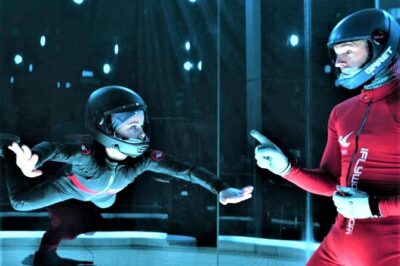
Chicago Lincoln Park Indoor Skydiving with Two Flights
Read our review →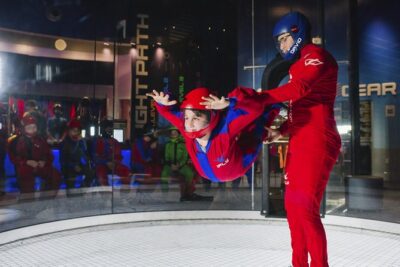
Lists this jump appears in