
REVIEW · USA
Austin iFLY Skydiving Simulator with Instructor and Gear
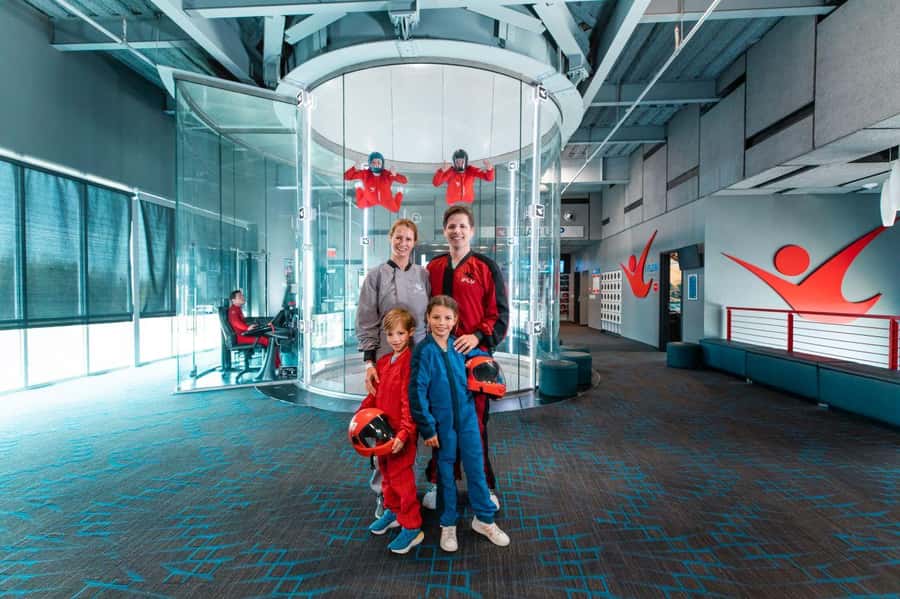
The most exciting part of this Austin experience is simple: you step into a powerful vertical wind tunnel and let the air hold you up. There is no aircraft and no jump from a great height, but your body gets the unmistakable feeling of indoor freefall.
I like two things right away. First, the professional instructor works with you on body position, so you are not left guessing how to move your arms, legs, or head. Second, the price includes the suit, helmet, goggles, earplugs, shoes, locker, and training, which keeps the costs clear. The main drawback is the short actual flight time. For $135, expect about two minutes in the tunnel, often split into two one-minute flights, not 90 minutes of continuous flying.
Key Points Before You Book
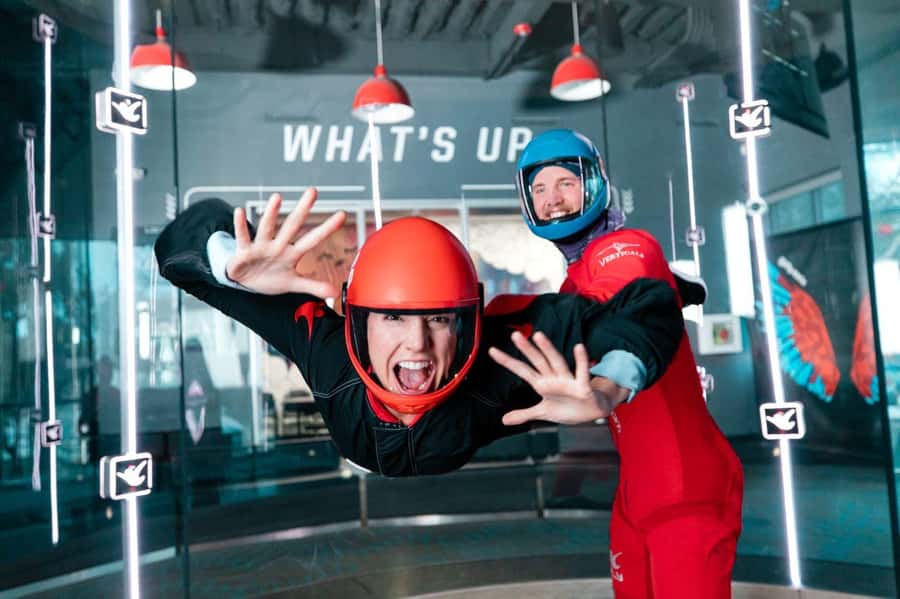
- Two minutes of actual flight time: The full visit lasts 90 minutes, but most of that is instruction, preparation, and waiting for your turn.
- One-on-one flight coaching: An English-speaking instructor teaches the body positions that help you control your movement.
- All core gear is supplied: You receive a flying suit, goggles, helmet, earplugs, shoes, and locker access.
- A strong choice for first-timers: You get the sensation of freefall without stepping from an aircraft.
- Good for a broad age range: Children from age 3, teens, adults, and experienced flyers can take part if they meet the health rules.
- Photos cost extra: Bring your ID, and budget separately if you want pictures of the flight.
What the 90-Minute Austin Session Really Includes
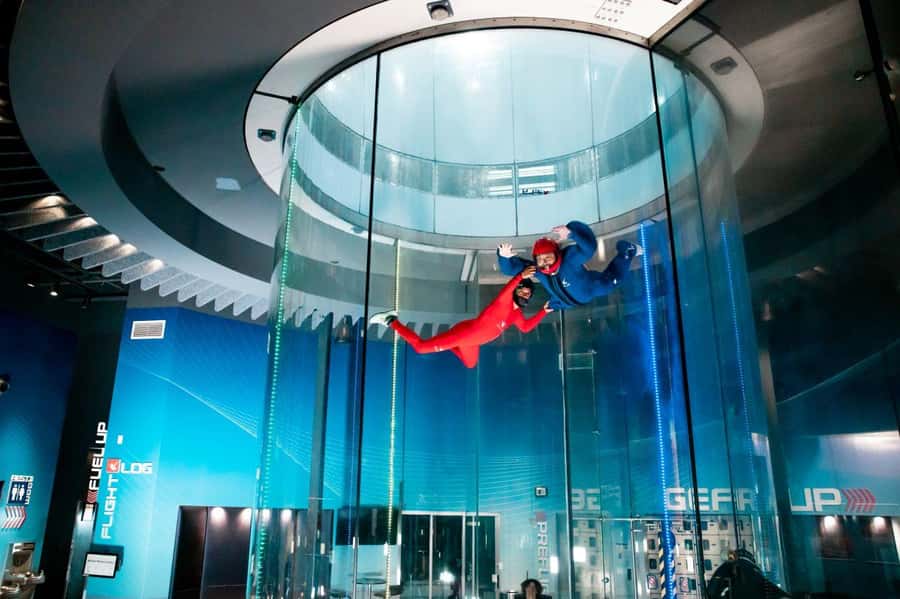
The word skydiving can make this sound like an outdoor jump. It is not. You remain inside an iFLY vertical wind tunnel, where a strong column of air lifts your body. That makes the activity easier to approach if you like the idea of freefall but do not want an aircraft, altitude, or an open-air jump.
Your 90-minute appointment covers the complete process. You check in at the iFLY location, meet the staff, attend a safety and technique briefing, put on the supplied equipment, and wait for your flight group. The actual time in the air is much shorter than the total visit, so set your expectations correctly from the start.
The available details describe about two minutes of freefall time. That is commonly split into two one-minute sessions. A minute sounds short, but the tunnel demands concentration. You are working to keep your body stable while also listening to the instructor. For a first flight, that brief period can feel busy rather than skimpy.
Still, the price deserves a clear look. At $135 per person, this is not a cheap amusement ride, especially if you are booking for a family. But the fee includes the instruction and standard equipment, and the activity gives you repeated freefall practice without paying for a full outdoor jump. If you are curious about flight and want a controlled introduction, the cost can make sense.
If your only goal is the longest possible time in the air, you may find the session expensive. A useful way to judge it is to think of the 90 minutes as a coached introduction, not as two uninterrupted minutes of entertainment.
More Indoor Skydiving in the USA
Learning Body Control Before You Fly
The briefing matters more here than it does on many casual attractions. Inside the tunnel, small changes in your arms, legs, shoulders, and head can alter your position. You receive instruction in advance, then use those lessons with a professional flight instructor nearby.
You will learn how to position your body to stay stable and how to make basic adjustments. The supplied information does not promise advanced tricks or a particular skill level, so approach it as a first lesson in indoor flight. The goal is to help you remain controlled and enjoy the sensation, not to turn you into an expert in one visit.
This is one of the strongest parts of the experience. The wind is powerful, and a beginner can easily tense up or forget the instructions. Having a trained person guide you gives the session structure. It also helps explain why the activity can work for a wide age range, from young children to adults.
The instructor language is English. If you need detailed instruction in another language, plan for that limitation. No individual instructor names are provided, so you should not expect to request a named guide when booking.
Getting Into the Flight Suit and Tunnel
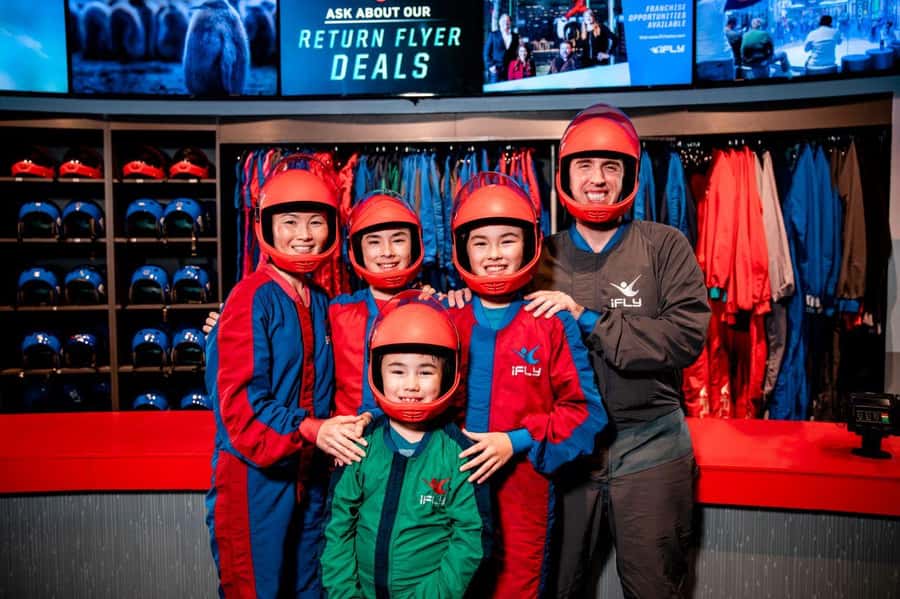
The activity supplies nearly everything you need. You receive a flying suit, goggles, earplugs, shoes, and a helmet. A locker is included for personal belongings, which is useful because loose items have no place in the flight chamber.
Bring a passport or ID card. This is a small detail, but forgetting identification can turn an exciting appointment into an administrative problem. Wear practical clothing under the suit, though the supplied information does not specify a required base layer or dress code.
The gear serves more than a safety role. The goggles protect your eyes from the moving air, the earplugs reduce the noise, and the helmet adds protection while helping the equipment fit as intended. The flying suit also gives you a smooth, practical layer for movement.
You should expect some waiting and preparation between the briefing and your turn. That is normal for a shared wind-tunnel session. The 90-minute schedule allows time for the group to get ready and for the staff to manage each flight safely.
The Main Event: Two Short Bursts of Indoor Freefall
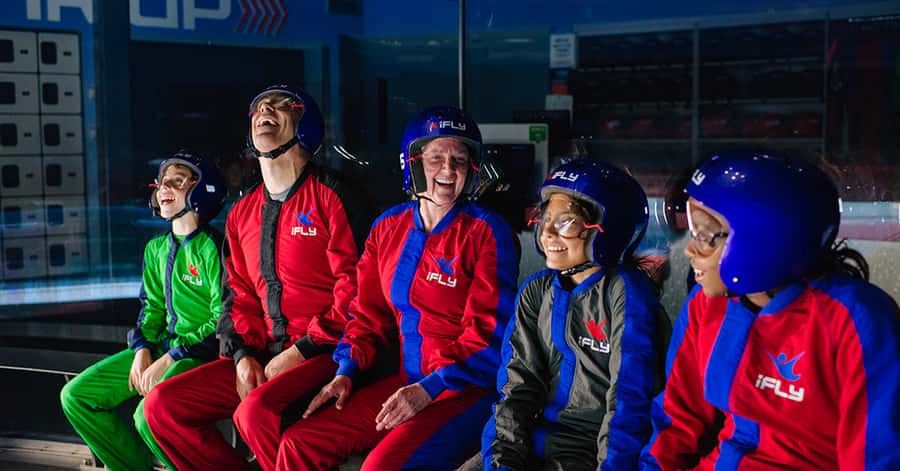
When your turn comes, you enter the tunnel with the instructor. The air supports your body from below, creating the sensation of falling upward without any aircraft or open sky.
For a beginner, the first few seconds are about adjusting. You may need to relax your shoulders, keep your body in the position taught during the briefing, and follow corrections from the instructor. The setting is controlled, but the physical sensation is real. Your balance and body awareness matter.
The session provides about two minutes of total freefall time. That is enough to feel the basic sensation and attempt simple body control, but not enough to master every movement. If you already fly indoors, this introductory format may feel brief. If you are new, it gives you a compact first taste without asking you to commit to a longer or more costly program.
One practical point is worth repeating: do not compare two minutes inside the tunnel with two minutes of ordinary leisure time. The air is loud and forceful, and you are processing instructions while trying to stay in position. The flight can feel intense even though the clock moves quickly.
The strongest praise attached to this experience focuses on the friendly staff and the quality of the flight itself. That matches what you should value most here: clear coaching and a smooth, well-managed session. The less favorable response focused on price compared with the short two-minute flight. Both points are fair.
Same sky, a different way down:
- Atlanta Indoor Skydiving Experience with 2 Flights & Personalized Certificate
★ 4.5 · 68 reviews - Chicago Lincoln Park Indoor Skydiving with Two Flights
★ 4.5 · 67 reviews - Fort Lauderdale Indoor Skydiving with 2 Flights & Personalized Certificate
★ 4.5 · 57 reviews - Phoenix Indoor Skydiving Experience with 2 Flights & Personalized Certificate
★ 4.5 · 55 reviews
Safety Without Losing the Thrill
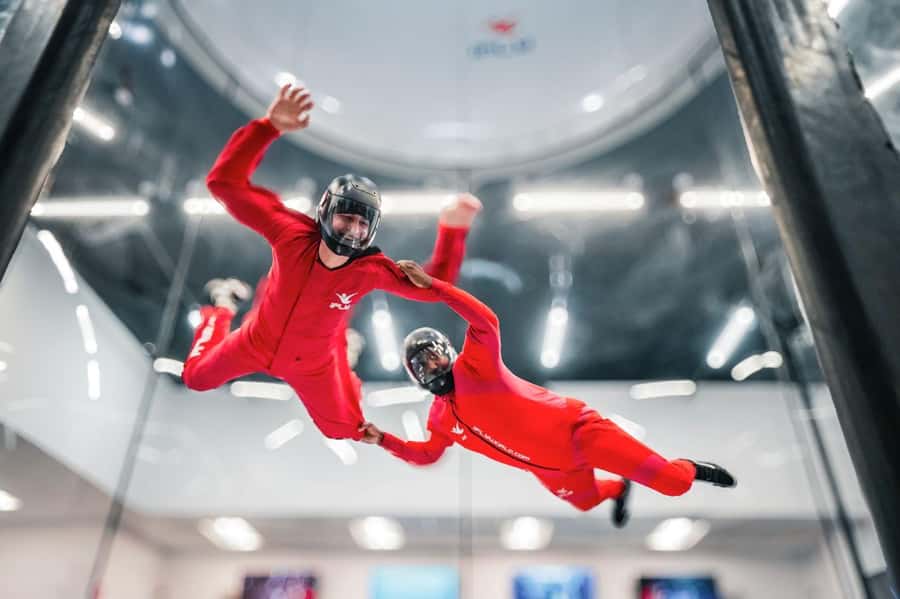
The simulator gives you the adrenaline of freefall while removing several risks connected with an outdoor jump. You do not need to board an aircraft, climb to altitude, or jump into open air. The instructor and supplied gear are part of the controlled setup.
That does not mean the activity is physically effortless. You are using your core, shoulders, legs, and neck to hold a stable position in moving air. Anyone with a current or past head, neck, back, or shoulder injury should not take part if the condition could make physical activity unsafe.
A heart condition or another medical issue that could raise the risk of injury is also a reason not to fly. People with prior shoulder dislocations are advised against the activity. A hard cast or hard prosthetic that cannot be removed is not permitted.
Pregnant women should not fly. Children must be at least 3 years old. People over 300 pounds, or about 136 kilograms, cannot fly. Those weighing between 260 and 300 pounds may need an additional check at arrival, and the staff will decide if they can be accommodated and what restrictions apply.
These rules are not minor footnotes. If you are close to a weight limit or have a physical condition, contact the provider before paying, since the booking is non-refundable.
Who Will Enjoy This Most
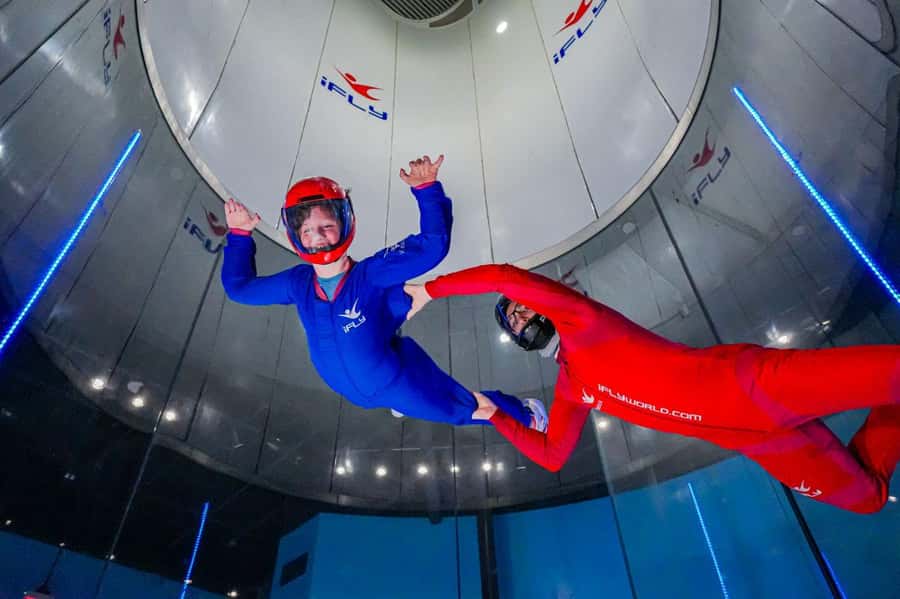
This works well for a first-time flyer who wants the sensation of freefall without committing to an outdoor jump. It is also a fun option for an adventurous family, since children age 3 and older can take part when they meet the requirements.
Teens may enjoy the spectacle and the physical challenge. Adults who have always wanted to try skydiving can use the tunnel as a lower-altitude introduction. The experience is also suitable for experienced flyers, though they may want a longer session or more advanced flying time than this entry-level format provides.
The activity can work for mixed-age groups because everyone receives the same basic instruction and equipment. Still, not every member of a group will be eligible. Check age, weight, pregnancy, and medical restrictions before you book for several people.
Wheelchair access is available, which makes the venue more accommodating. The flight itself still involves physical movement and has the health restrictions listed above, so accessibility to the building does not remove the need for a personal safety check.
Is $135 a Fair Price?
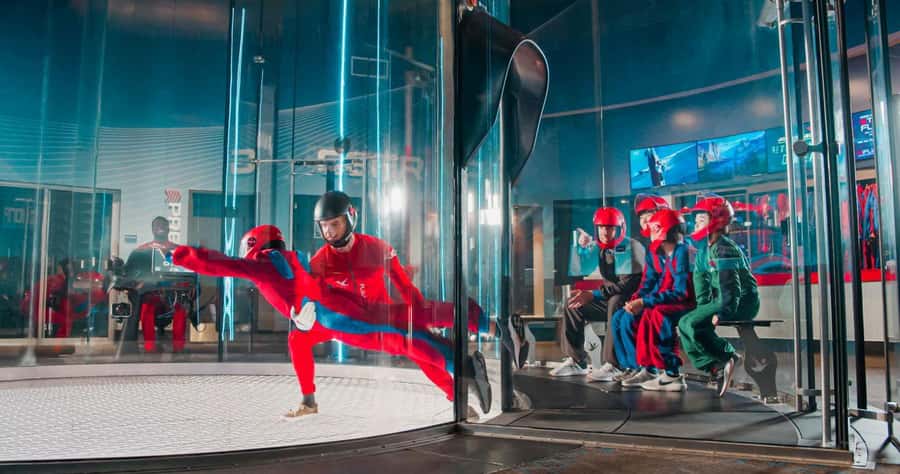
The $135 fee includes the simulator, instructor, training, suit, goggles, earplugs, shoes, helmet, and locker. That is a useful bundle. You are not paying separately for basic equipment or a lesson once you arrive.
The value depends on what you want. If you want to test the feeling of freefall in a controlled setting, the price compares favorably with the cost and commitment of a real tandem jump. You get a longer overall venue visit and a supervised introduction, with no aircraft involved.
If you measure value only by time in the air, the calculation is less generous. Two minutes can pass quickly, and one direct comment on the experience described the price as somewhat high for two one-minute flights. That is the central tradeoff, and you should accept it before booking.
Photos are not included. If capturing the experience matters to you, ask about the available photo option and its price at the venue. Since that cost is separate, do not assume the $135 package includes a souvenir image.
Practical Details That Can Save You Trouble
Meet at the iFLY provider’s location in Austin. The supplied information does not include transportation, so you will need to arrange your own way to the venue.
Starting times vary, and you should check availability for the date you want. Allow the full 90 minutes rather than scheduling another activity immediately afterward. The visit includes instruction, clothing changes, equipment preparation, and flight time.
The activity is non-refundable. That makes it especially important to confirm your schedule and check the health rules before purchasing. Bring a passport or ID card for check-in.
The service is provided in English. If you are booking for a child, make sure the child understands that the air will be strong and that following the instructor’s directions is part of the activity.
Should You Book the Austin iFLY Flight?
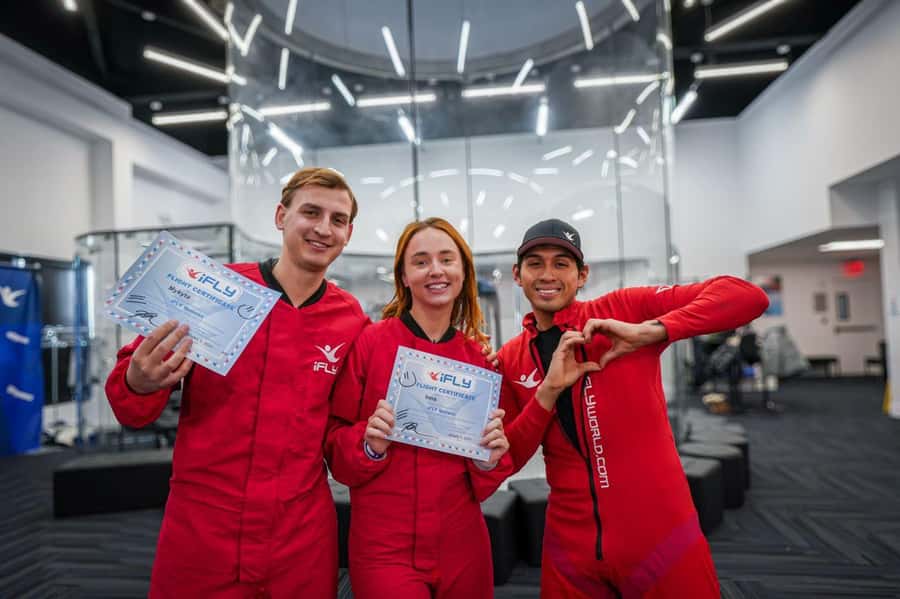
Book it if you want a safe, supervised introduction to indoor freefall and value having the gear and instruction included. The friendly team and enjoyable flight are the clearest strengths, and the format works for children, teens, adults, and experienced flyers who meet the rules.
Skip it if you expect 90 minutes of flying or if two minutes of tunnel time feels too short for $135. This is best understood as a coached first experience, not a full replacement for a longer outdoor jump.
Before you pay, check the weight and medical requirements, bring your ID, and decide if optional photos are worth adding. If those details suit you, this Austin activity offers a memorable way to feel the force of freefall while keeping both feet close to the ground.
FAQ
How long does the Austin iFLY experience last?
The full activity lasts 90 minutes. The included indoor freefall time is about two minutes, commonly split into two one-minute flights.
How much does the experience cost?
The price is $135 per person.
Is instruction included?
Yes. An English-speaking professional flight instructor provides training and guidance on body positions used to control your movement in the tunnel.
What equipment is provided?
The package includes a flying suit, goggles, earplugs, shoes, a helmet, and a locker. Photos are not included.
What is the minimum age?
Flyers must be at least 3 years old.
Can someone over 300 pounds take part?
No. People over 300 pounds, or 136 kilograms, cannot fly. People between 260 and 300 pounds may need an evaluation at check-in to determine if they can be accommodated.
Newest jumps around the USA
- Minneapolis Indoor Skydiving Admission with 2 Flights & Personalized Certificate★ 4.5 · 23 reviews
- San Diego Indoor Skydiving Experience with 2 Flights & Personalized Certificate★ 4.0 · 29 reviews
- San Antonio Indoor Skydiving Admission with 2 Flights & Personalized Certificate★ 5.0 · 29 reviews
- Chicago-Rosemont Indoor Skydiving with Two Flights★ 4.5 · 31 reviews
- Denver Indoor Skydiving Experience with 2 Flights & Personalized Certificate★ 5.0 · 29 reviews
- Houston Memorial Indoor Skydiving with 2 Flights & Personalized Certificate★ 4.0 · 29 reviews
- Tandem Skydiving with GoJump in Hawaii★ 4.5 · 28 reviews
- Kansas City Indoor Skydiving Admission with 2 Flights & Personalized Certificate★ 4.5 · 29 reviews
Indoor Skydiving in the USA, side by side.
Orlando Indoor Skydiving Experience with 2 Flights & Personalized Certificate
Read our review →
Chicago Lincoln Park Indoor Skydiving with Two Flights
Read our review →
Lists this jump appears in