
REVIEW · NEW ZEALAND
Bay of Islands: 18,000ft Skydive
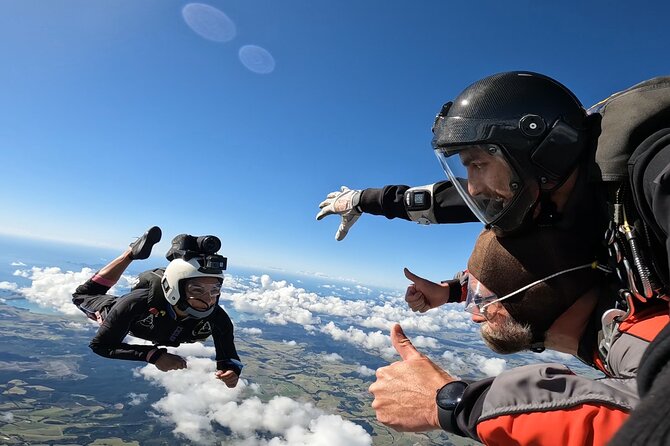
The best part of this 18,000ft tandem skydive is the view. From high above Northland, the Bay of Islands spreads into 144 islands, bright water, small beaches, and long coastal edges. On a clear day, you may see far north toward Cape Reinga.
I like the high jump altitude, which gives you more time in the air and a wider view than a lower jump. I also like the calm, personal support from instructors such as Prashant, Rhys, Maurice, and Filip, who are praised for clear guidance and a steady manner. The main catch is weather: your 1.5-hour visit can stretch to two or four hours, and the jump may not go ahead if conditions are poor.
This is a serious adrenaline activity, not a quick scenic flight. You must be comfortable with the 100kg weight limit, a short safety briefing, a long wait if weather shifts, and the fact that photos cost extra. But if you have limited time in the Bay of Islands, this gives you an extraordinary view of a large area in one bold burst.
Key points to know before booking
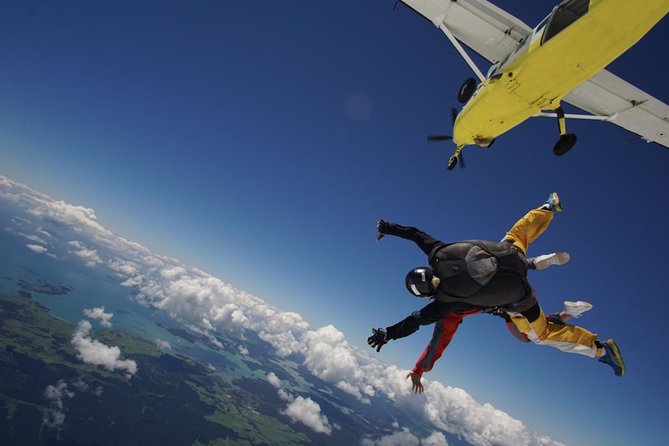
- 18,000ft is the highest skydive in New Zealand’s North Island, giving you a broad view of the Bay of Islands and Northland.
- The Bay of Islands becomes your panorama, with 144 islands, Paihia, Russell, Cape Brett, and Great Barrier Island potentially visible.
- Tandem instructors provide the coaching, with Prashant, Rhys, Maurice, and Filip among the instructors praised for calm, friendly support.
- Allow two to four hours, even though the actual visit often takes about 1.5 hours, because weather and aviation needs can change plans.
- Pickup is available from central Paihia and Kerikeri, but hotel pickup and drop-off are not included.
- The $297 price does not include souvenir photos, so budget extra if you want a permanent record of the jump.
Why 18,000ft changes the view
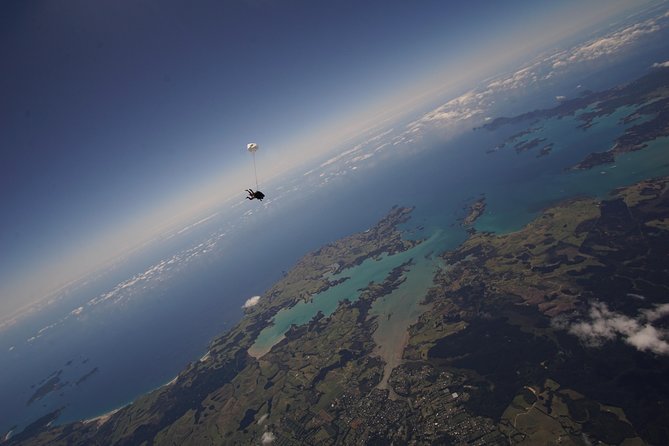
A jump from 18,000ft is not just about getting more height for its own sake. At this altitude, you have a chance to see the Bay of Islands as a connected region rather than a collection of separate coastal stops.
Below you, the water breaks around 144 islands. On a clear day, the view can reach toward Cape Reinga, the northern tip of New Zealand, where the Pacific Ocean and Tasman Sea meet. The exact view depends on weather, aircraft position, and visibility, so treat the farthest sights as possibilities rather than guarantees.
The height also makes this a good choice if you want your skydive to include scenery. A lower jump can still provide the rush, but this experience is designed around both the fall and the huge Northland view. I would choose it over a basic jump if the setting matters as much to you as the adrenaline.
The freefall is the part that creates the strongest physical sensation. Once the parachute opens, the pace changes and you have more time to take in the coastline. One instructor has even been praised for adding a forward roll and a cloud walk, but those touches should never be treated as guaranteed. They depend on the instructor, conditions, and safety requirements.
More High-Altitude Skydives in New Zealand
- 15,000ft Tandem Skydive in Tauranga – Bay of Plenty
★ 5.0 · 305 reviews - 15,000ft Tandem Skydive in Bay of Plenty
★ 5.0 · 180 reviews - Auckland: 13000, 16000, or 18000-Foot Tandem Skydive
★ 4.9 · 151 reviews
Meeting the team in Kerikeri
The official meeting point is 182 Wiroa Road, Kerikeri 0293. The activity ends back there, so plan your onward transport around a return to this location.
Complimentary collection is offered from central Paihia and Kerikeri. That is useful because Paihia is the main visitor base in the Bay of Islands, while the jump site is in the Kerikeri area. You need to confirm the pickup details directly if you are unsure. Hotel pickup and return are not included, so a hotel shuttle should not be assumed.
The team uses shuttle vans, but people booked to jump have priority over spectators. Spectators can sometimes ride along, though they may need to arrange their own transport if the vans are full. This matters if family or friends plan to watch. They should not count on traveling with you at the last minute.
Expect a small aviation operation rather than a fixed, clockwork attraction. The maximum group size is 24 people, and flights can be affected by weather or other operational needs. Call 0800 GO JUMP one hour before your scheduled time to confirm that conditions are suitable.
What happens from arrival to landing
Your confirmation is sent at booking. You must bring a printed ticket or voucher and present it at the drop zone. Open-dated vouchers need to be booked seven days ahead of the requested jump date, so do not leave that step until the morning of your activity.
The team provides the training and safety equipment. Wear comfortable clothes and closed-toe shoes. You do not need to bring specialist gear, but practical clothing is the sensible choice. This is not the moment for loose sandals or an outfit that restricts movement.
The exact ground schedule can shift. The stated skydive itself typically takes about 1.5 hours, but you should reserve two to four hours in your day. Weather can cause delays, and aviation operations sometimes require changes that have nothing to do with your personal booking.
That longer window is important if you have a boat cruise, airport transfer, or other fixed appointment afterward. I would not place this activity immediately before something you cannot miss. A calm day may move quickly, but a cloud change or operational delay can leave you waiting.
Once conditions are confirmed, you receive the necessary instruction and prepare with your tandem instructor. The instructors are central to the experience. Prashant is repeatedly praised for putting first-time jumpers at ease and explaining each step. Rhys is described as energetic and friendly, while Maurice has been associated with playful touches during the flight. Filip is also praised for combining calm authority with a friendly manner.
Those details matter if you are nervous. The freefall is intense, but you are not expected to figure out the process alone. Your instructor manages the technical side while telling you what to do and helping you stay focused.
The Bay of Islands from above
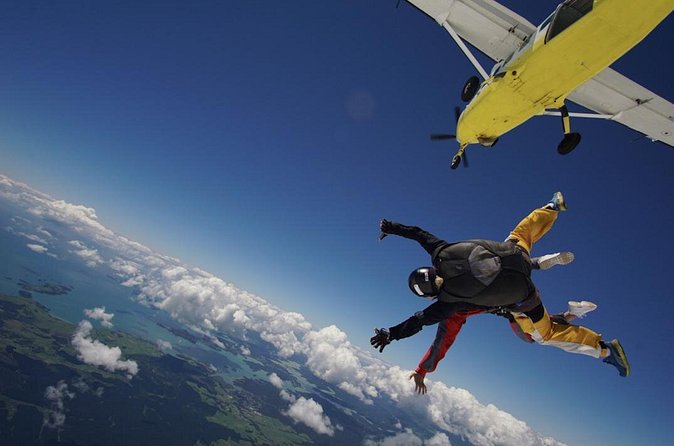
The Bay of Islands is the main reason to choose this location. From ground level, you usually see one beach, one harbor, or one headland at a time. From the aircraft, the islands and channels form one broad picture.
Clear blue water and secluded beaches are part of the visual appeal. Marine life is not something you should expect to inspect from the air, but the setting helps explain why this part of Northland is so popular for boat trips and coastal outings.
Paihia is one likely reference point. It is a coastal town with wide views across the bay and often provides a familiar landmark during the jump. If you are staying there, pickup from central Paihia makes the activity easier to fit into your visit.
Across the water is Russell, a historic town with a picturesque waterfront. From the air, its position across the bay helps you understand the shape of the region better than a street map does. The town itself deserves time on the ground, so do not treat the skydive as a replacement for visiting it.
Waitangi is another important point in the wider view. The Treaty Grounds are the birthplace of modern New Zealand in the sense that the Treaty of Waitangi was signed there in 1840. An aerial view gives you geographic context, but it cannot replace a proper visit to the grounds and their cultural and historical interpretation.
Same sky, a different way down:
- Skydive Auckland
★ 5.0 · 1,516 reviews - NZONE Skydive Queenstown
★ 4.5 · 1,438 reviews - Queenstown: Tandem Skydive Experience
★ 4.8 · 475 reviews - Lake Taupo 12,000-Foot Tandem Skydiving
★ 5.0 · 359 reviews
Islands, headlands, and northern landmarks
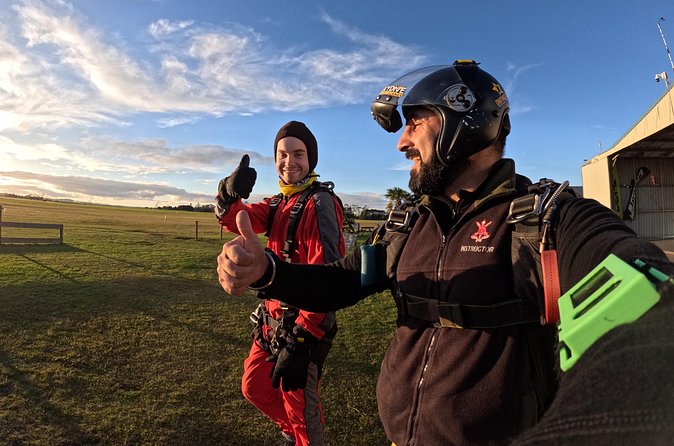
Great Barrier Island is the largest island in the Bay of Islands area named for this experience and is an impressive possible sight from above. It is known for walking tracks and clear water. Its visibility depends heavily on conditions, so do not book solely on the promise of seeing every listed landmark.
Kerikeri lies inland from the coast and is known for New Zealand’s oldest stone buildings. Since the meeting point is in Kerikeri, you can pair the skydive with time in town if your schedule allows. The surrounding greenery and distance from the main bay also show that Northland is more than a string of beaches.
Cape Brett gives the region one of its strongest coastal shapes. This rugged peninsula reaches into the sea with cliffs and broad ocean views. Near it is the famous Hole in the Rock, a natural archway in a rock formation off the coast. From the air, the coastline may help you understand where these features sit, though the exact view is not promised on every jump.
Matauri Bay is associated with the Rainbow Warrior memorial, near the site connected to the 1985 bombing of the ship. That memorial adds a modern historical layer to the region. It is a reminder that the view below is not only scenery. Northland’s coast carries Māori, colonial, maritime, and recent political stories, even if a skydive can only offer a brief visual introduction.
Cape Reinga is farther north and may be visible on a particularly clear day. It is New Zealand’s northernmost tip and the meeting point of the Pacific Ocean and Tasman Sea. Its significance is also spiritual, especially in Māori tradition. Still, most jumps will not give you a close view of Cape Reinga, and you should visit it separately if it is high on your list.
Is $297 good value?
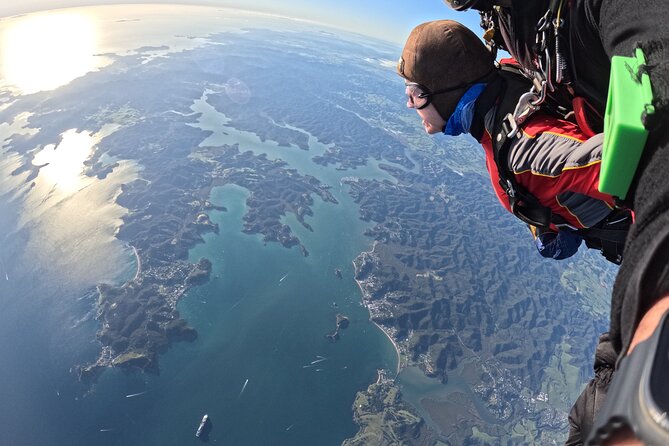
At $297, this is not a cheap add-on. You are paying for specialist aviation, tandem equipment, trained staff, ground operations, and a jump from an unusually high altitude. The value is strongest if you want both the thrill and a major aerial view of Northland.
I would compare it with the cost of several separate sightseeing activities. A boat trip can show you the islands from water level. A drive north can take you to Cape Reinga. A visit to Waitangi or Russell can give you history and local context. The skydive does not replace those experiences, but it compresses a remarkable amount of geography into a single outing.
The price becomes less attractive if you mainly want photographs or a general scenic flight. This is a physical adrenaline activity first, and souvenir photos are extra. If you know you will want video or still images, ask about the available photo package and price before you arrive.
The biggest value question is personal. If you have always wanted to skydive, the setting adds something special. If you are only mildly curious and dislike uncertainty, the weather delays, 100kg limit, and strict timing may make the cost harder to justify.
Who should book this jump?
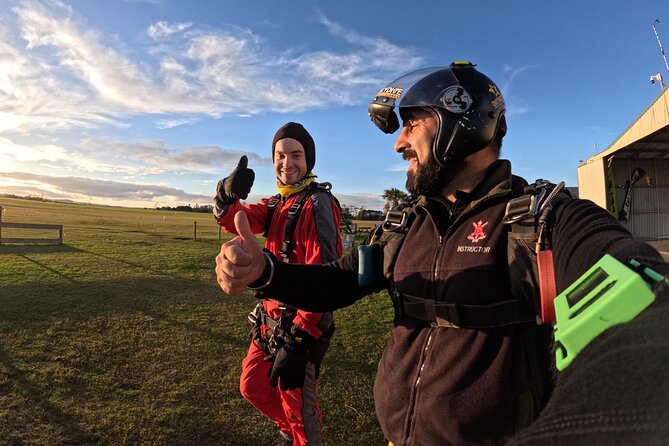
I would recommend it to an adult or older teenager who wants a major thrill, has moderate physical fitness, and values scenery as much as the activity itself. Customers under 18 need signed consent from a parent or guardian.
It suits first-time jumpers particularly well because the tandem format keeps the technical work with the instructor. The accounts associated with Prashant, Filip, Rhys, and Maurice suggest a team that pays close attention to nerves, explains the process, and keeps the mood friendly.
You should think carefully if you have a medical condition that could affect your ability to skydive. Seek professional medical advice before booking in that case. You also cannot jump if you have gone scuba diving within the previous 24 hours because of pressure changes.
The strict weight limit is 100kg. If you may be close to that figure, contact the operator before you arrive rather than relying on an estimate at check-in.
Booking, weather, and cancellation advice
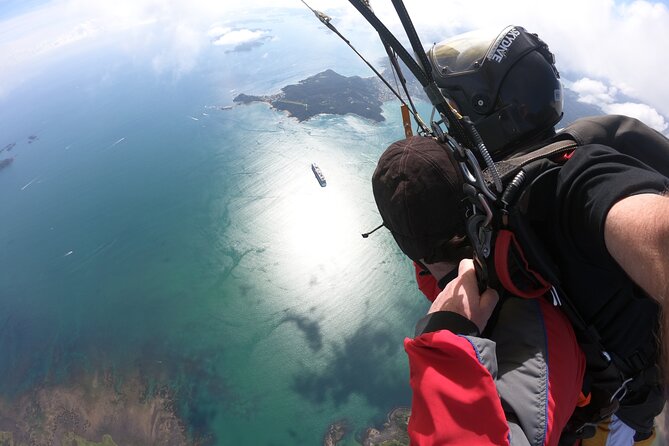
Free cancellation is available when you cancel at least 24 hours before the local start time. A cancellation made inside that window is not refunded, and changes made inside 24 hours are not accepted. The operator asks for 48 hours notice when rescheduling or canceling, so give yourself more room than the formal deadline if your plans are uncertain.
The weather call is part of the process. Call one hour before your scheduled jump to confirm conditions. A delay is frustrating, but it is a normal part of an activity that depends on safe flying conditions.
I would keep the day flexible and avoid scheduling a long-distance transfer right afterward. Bring your printed voucher, wear closed-toe shoes, and arrive ready for a wait. Those simple steps make the day less stressful.
Should you book the Bay of Islands 18,000ft skydive?
Book it if you want the Bay of Islands from a viewpoint no boat, road, or lookout can match. The 18,000ft altitude, wide Northland panorama, and supportive tandem instructors make this a strong choice for a first jump or a memorable return to the sport.
Skip it if you want a relaxed sightseeing activity, have a tight schedule, or would resent paying extra for photos. The weather buffer and physical requirements are real considerations.
For most suitable participants, the strongest case is simple: you get one major rush and a rare view of the islands, towns, headlands, and open sea in the same experience. Just leave room in your day and call ahead before you set out.
FAQ
Where does the skydive begin?
The meeting point is 182 Wiroa Road, Kerikeri 0293, New Zealand. The activity ends back at the same meeting point.
Is pickup available?
Complimentary collection is offered from central Paihia and Kerikeri. Hotel pickup and drop-off are not included.
How long does the experience take?
The skydive typically takes about 1.5 hours, but you should allow two to four hours because of weather changes and unexpected aviation requirements.
What altitude is the jump?
The jump is from 18,000ft, described as the highest skydive in New Zealand’s North Island.
Is there a weight limit?
Yes. The strict weight limit is 100kg. Contact the operator if you think you may be close to that limit.
What happens if I need to cancel?
You can receive a full refund if you cancel at least 24 hours before the local start time. Cancellations or changes made less than 24 hours before the activity are not accepted for a refund.
Newest jumps around New Zealand
- Tandem Skydive 10,000ft from Franz Josef★ 5.0 · 4 reviews
- Tandem Skydive 13,000ft from Franz Josef★ 4.5 · 16 reviews
- 13,000ft Skydive over Abel Tasman with NZ’s Most Epic Scenery★ 5.0 · 20 reviews
- 10,000ft Skydive over Abel Tasman with NZ’s Most Epic Scenery★ 5.0 · 10 reviews
- Queenstown: Ticket for 2 Indoor Skydiving Flights★ 4.4 · 15 reviews
- Tandem Skydive 16,500ft from Franz Josef★ 5.0 · 19 reviews
- 16,500ft Skydive over Abel Tasman with NZ’s Most Epic Scenery★ 5.0 · 23 reviews
- Tandem Skydive 18,000ft from Franz Josef★ 4.5 · 29 reviews
High-Altitude Skydives in New Zealand, side by side.
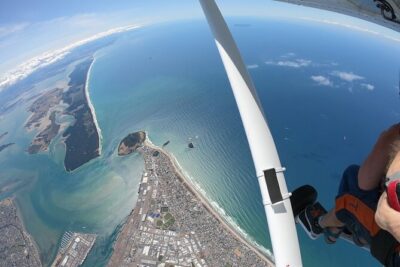
15,000ft Tandem Skydive in Tauranga – Bay of Plenty
Read our review →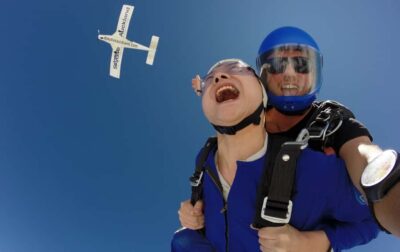
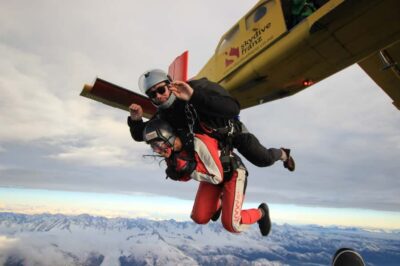
16,500ft Skydive over Abel Tasman with NZ’s Most Epic Scenery
Read our review →
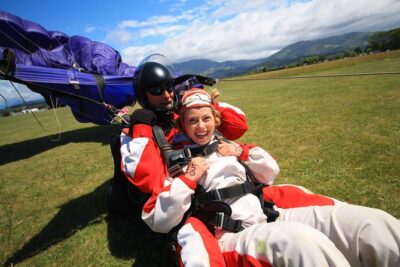
13,000ft Skydive over Abel Tasman with NZ’s Most Epic Scenery
Read our review →
Lists this jump appears in