
REVIEW · NEW ZEALAND
Tandem Skydive Experience in Taupo
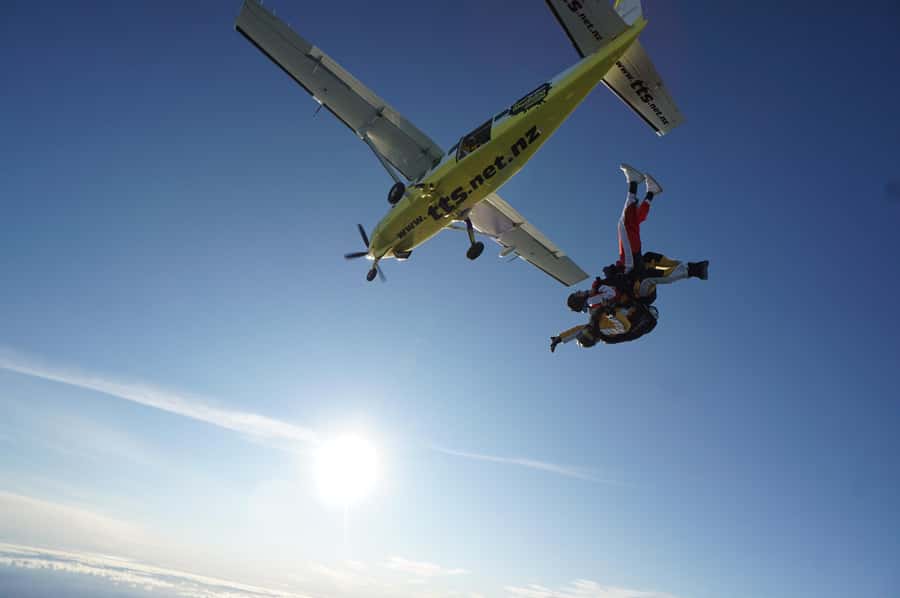
Above Lake Taupo, the hard part is not the view. It is sitting at the open plane door and agreeing to step into empty air. You will fall at roughly 200 kilometres per hour before your parachute opens at 5,500 feet, leaving you time to enjoy the lake and volcanoes below. The 15,000-foot option gives you a strong balance of cost, free-fall time, and scenery.
I like the easy pickup in the bright yellow stretch Hummer, and I like the way the tandem masters take care of the technical work while still letting you feel involved. The staff, including instructors such as Damian, Prashant, Ryan, Riley, Ben, and Elad, are repeatedly praised for calming nervous first-timers. The main drawback is that weather can delay your jump, and photo and video packages cost extra.
Key points before you book
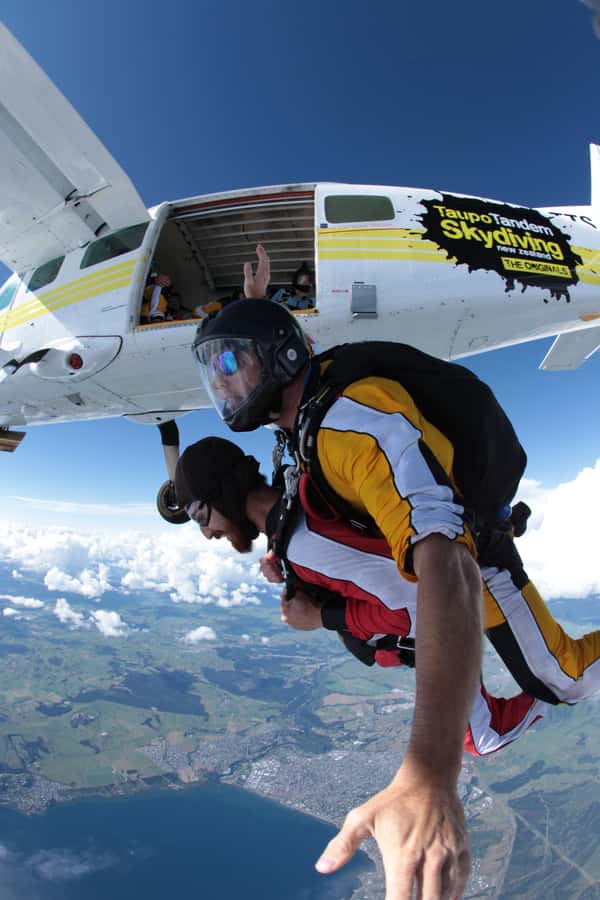
- Choose your height carefully: 12,000 feet brings 45 seconds of free fall, 15,000 feet brings 60 seconds, and 16,500 feet brings 70 seconds.
- Expect about three hours overall: The activity includes transport, preparation, the plane ride, the jump, and the return to Taupo.
- The views are the star: Look for Lake Taupo, Mount Ruapehu, and Mount Ngauruhoe, also known as Mount Doom.
- The staff handle nervous jumpers well: Your tandem master gives instructions, manages the equipment, and adjusts their approach to your confidence level.
- Weather can change your schedule: Keep some flexibility in your Taupo plans, especially if this is a must-do activity.
- Bring closed-toe shoes: Cameras are not allowed, but photo and video packages can be bought on the day.
Why Taupo is such a good place for a first skydive
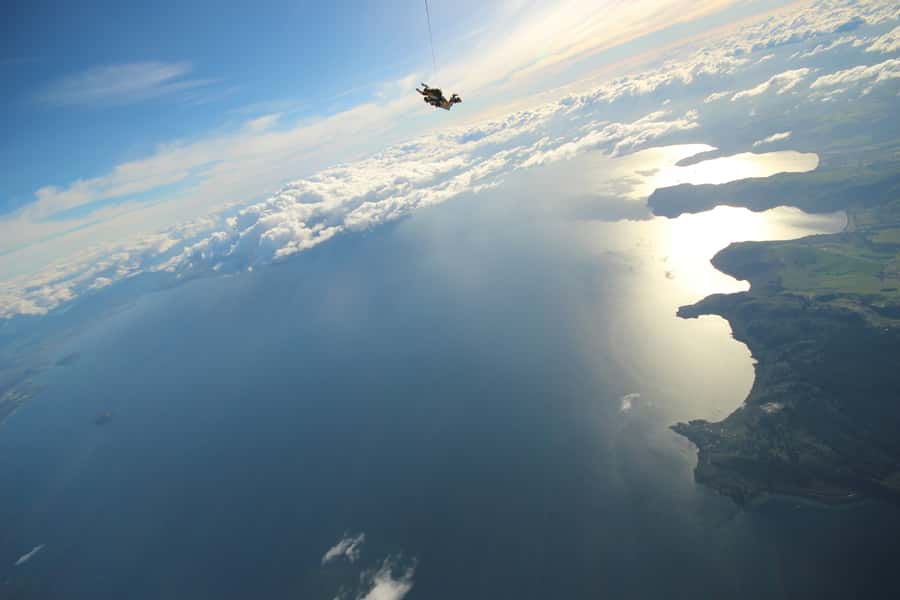
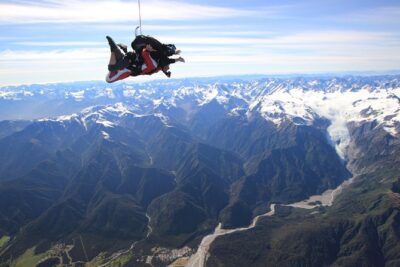
Taupo gives you more than a burst of adrenaline. Once the parachute opens, the view becomes the reward. Lake Taupo spreads below you, and on a clear day you can see the volcanic peaks of Mount Ruapehu and Mount Ngauruhoe.
That wide view matters. A first skydive can feel like a short, noisy rush, but Taupo adds a strong sense of place. You are not simply falling over an anonymous field. You are looking across the North Island’s volcanic heart, with the lake below and mountains on the horizon.
I also like that the experience is designed for people who have never done this before. You do not need prior experience, and your tandem master is attached to you throughout the jump. Your job is mainly to follow the instructions, hold your body as shown, and enjoy the ride.
That does not make the first few minutes easy. Several instructors are praised for keeping nervous people talking and relaxed, but the fear is still real. The plane ride can be the most uncomfortable part for some people, especially as you climb toward the open sky. If you dislike heights or small aircraft, expect that part to test you.
More Tandem Skydives in New Zealand
- Queenstown: Tandem Skydive Experience
★ 4.8 · 475 reviews - Lake Taupo 12,000-Foot Tandem Skydiving
★ 5.0 · 359 reviews - 15,000ft Tandem Skydive in Tauranga – Bay of Plenty
★ 5.0 · 305 reviews
Pickup in the yellow Hummer
You can meet the team at the bright yellow hangar at Taupo Airport, where free parking is available. Pickup and return from Taupo accommodation or the town centre are also available. Look for the yellow and blue Taupo Tandem Skydiving bus if you have arranged transport.
The complimentary stretch Hummer adds a playful start to the morning. It is not an essential part of the jump, but it removes the hassle of finding the airport and gives the activity a memorable beginning. The drive from Taupo town centre takes about 10 minutes.
Allow three hours for the full experience. That includes the transfer, check-in, briefing, equipment fitting, waiting time, flight, free fall, parachute ride, and return transport. The actual free fall lasts less than two minutes, so the value of the day lies in the full build-up as well as the jump itself.
I suggest avoiding a tightly packed schedule afterward. Weather, aircraft timing, and the number of people jumping that day can affect the finish time. If you are catching a bus or booking another timed activity, leave plenty of room.
Check-in, safety briefing, and getting ready
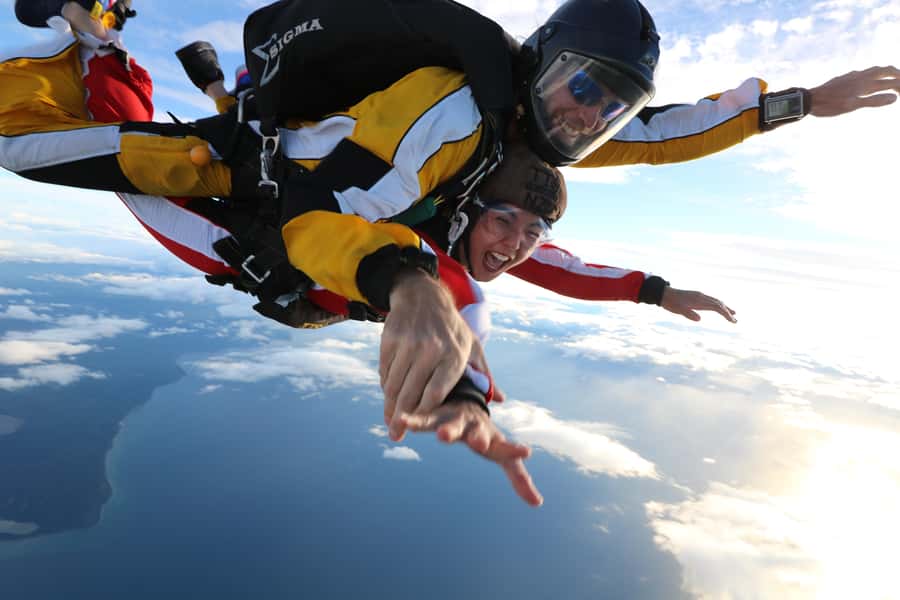
At the airport, the team explains the process and checks that you are eligible to jump. Your tandem master gives you the essential instructions before you board the plane, including body position and what to do when you reach the door.
The equipment is provided. You are fitted with the harness and other gear, and you receive a complimentary buff headband to wear during the jump and keep afterward. You need closed-toe shoes. Cameras are not allowed, so leave your personal camera in a safe place.
The strongest part of the operation is the human support. First-timers repeatedly describe the instructors as professional, friendly, and reassuring. Ryan is praised for his calm, capable approach. Andy kept a nervous jumper chatting, while Dave, Ben, Riley, Sam, and Elad are also singled out for making people feel secure.
That personal contact is important because the technical information is simple but the situation is not. At the plane door, you may not feel calm enough to remember much. A good tandem master gives short instructions and takes charge at the right moment.
You can also buy photo and video packages on the day. They are an extra cost, and some people find them expensive, but the footage has one clear advantage: it proves what you did and lets you relive the jump. One useful detail is that photo and video files may arrive very quickly after the experience.
The plane ride to 12,000, 15,000, or 16,500 feet
The aircraft ride gives you time to take in the view and think about what comes next. As you climb, Lake Taupo grows smaller and the surrounding country opens out. Mount Ruapehu and Mount Ngauruhoe become part of the view, assuming the weather is clear.
You can choose among three jump heights:
- 12,000 feet: 45 seconds of free fall
- 15,000 feet: 60 seconds of free fall
- 16,500 feet: 70 seconds of free fall
The higher options cost more, but the extra free-fall time is the main reason to choose them. If this is likely to be your only skydive, I would give serious thought to the 15,000-foot option. It gives you a full minute in free fall and enough time to settle into the experience before the parachute opens.
The 16,500-foot jump is for people who want the longest free fall available here. It is also the most expensive choice, so the added cost makes sense mainly if the free-fall time matters more to you than keeping the price down.
At 12,000 feet, you still get the complete experience, including the aircraft ride, the exit, free fall, and a parachute ride. It is the sensible choice if budget is important or if you are unsure how much adrenaline you want.
The plane ride itself may be the part that makes you nervous. One jumper described the 15,000-foot flight as frightening, even though the jump was incredible. That reaction is normal. The ride is not a scenic flight in the usual sense because you know exactly what is waiting at the top.
Same sky, a different way down:
- Skydive Auckland
★ 5.0 · 1,516 reviews - NZONE Skydive Queenstown
★ 4.5 · 1,438 reviews - Bay of Islands: 12,000ft Skydive
★ 5.0 · 253 reviews - Wanaka: Tandem Skydive Experience
★ 4.8 · 252 reviews
The open door and the free fall
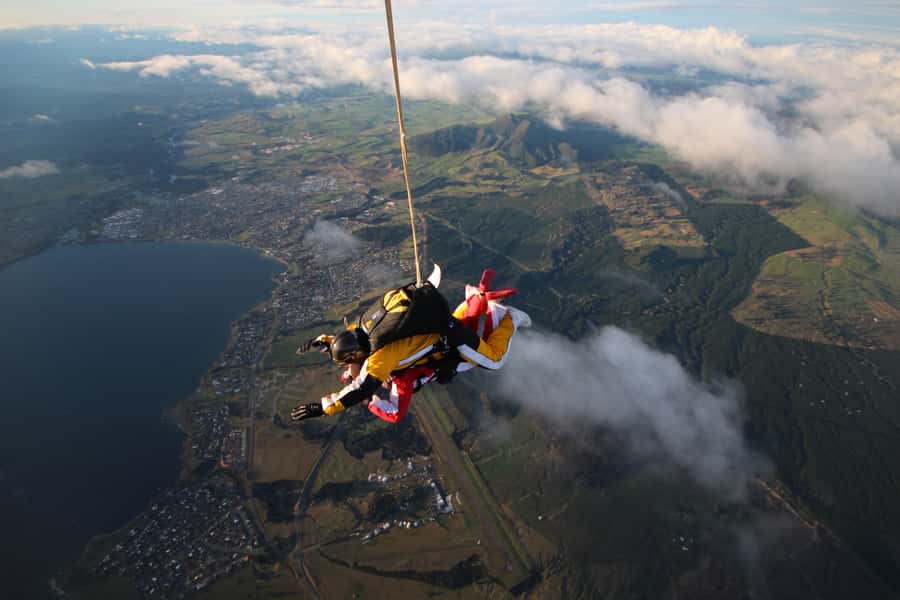
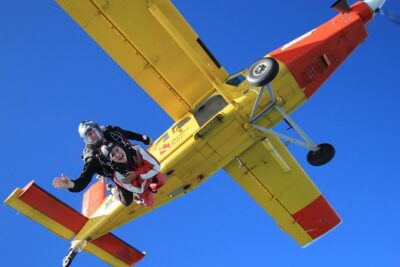
At altitude, your tandem master positions you at the aircraft door. You sit on the edge with the instructor behind you, then exit together.
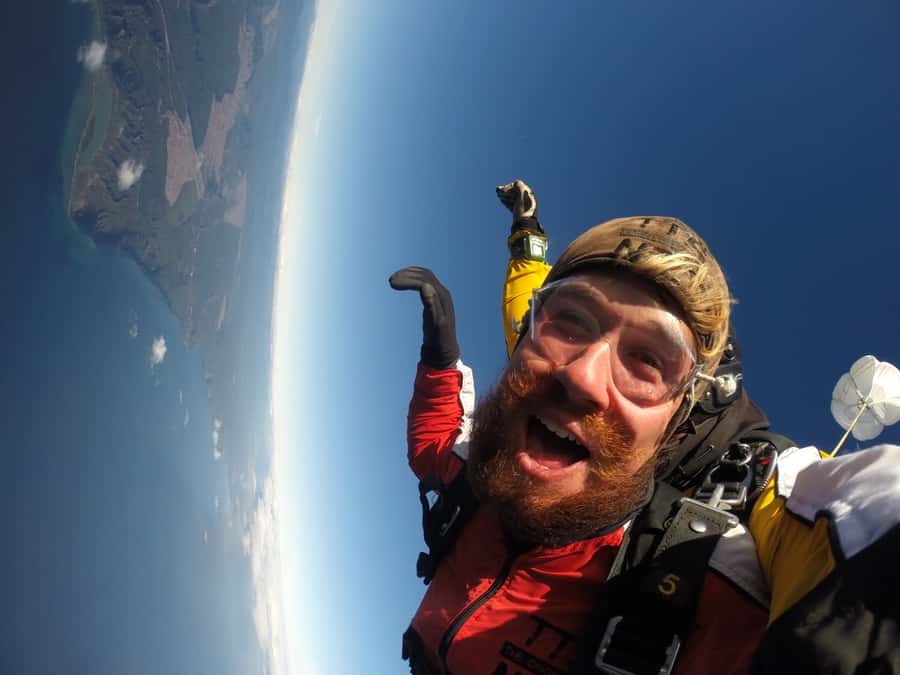
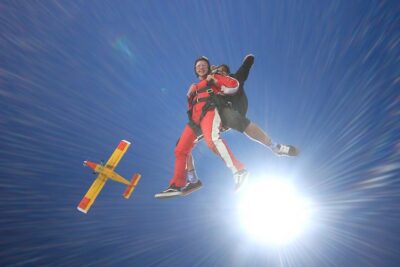
The first seconds are intense. You fall at around 200 kilometres per hour, with the lake and mountains below. At 12,000 feet, the free fall lasts about 45 seconds. At 15,000 feet, it lasts about 60 seconds. At 16,500 feet, it lasts about 70 seconds.
That may not sound long on paper, but 45 seconds of free fall is a substantial experience. The higher options give you more time to adjust, look around, and enjoy the feeling rather than spending the entire period reacting to the exit.
You do not control the parachute system or navigation. Your tandem master manages the important parts, including the exit, the free-fall position, parachute deployment, and landing. You follow the instructions and keep your attention on the experience.
This is where the instructors’ calm manner matters most. People who arrive unsure, including those who dislike roller coasters or never imagined themselves jumping from a plane, have found that clear guidance makes the experience manageable. You may still be frightened, but you will not be left to figure things out alone.
The parachute ride back to Taupo
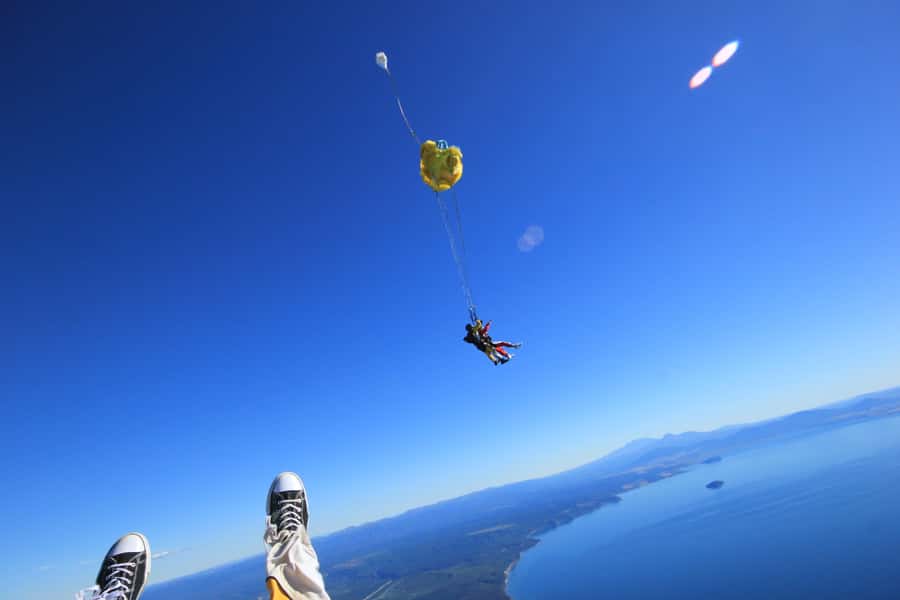
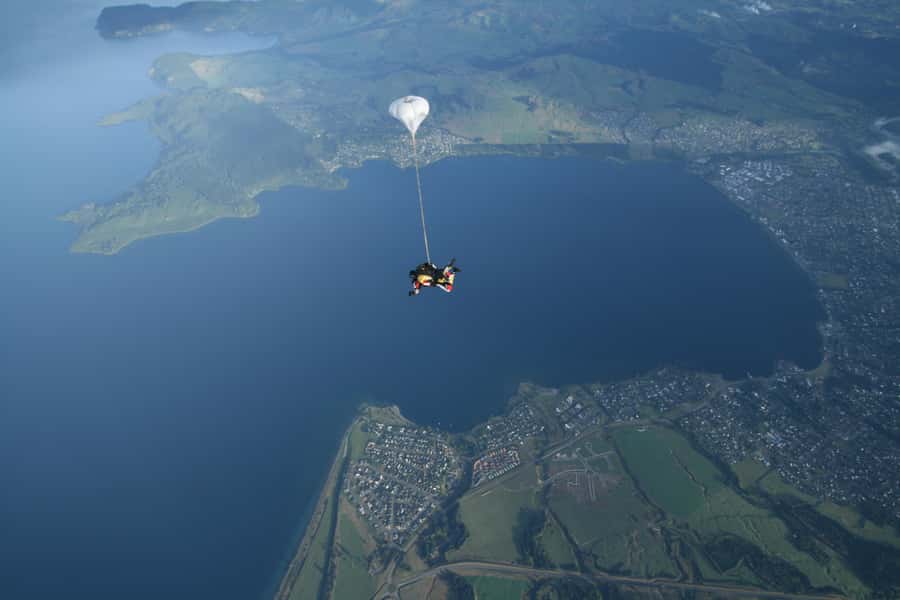
At about 5,500 feet, your tandem master deploys the parachute. The change is dramatic. The roaring speed of free fall gives way to a slower, quieter ride, and you finally have time to look properly at Lake Taupo.
This is the part I think you should not overlook when comparing jump heights. The free fall gets the attention, but the parachute ride gives you the clearest chance to enjoy the scenery. Look toward the lake, then scan for Mount Ruapehu and Mount Ngauruhoe.
The parachute ride also lets you catch your breath. Your tandem master may talk you through what is happening and help you take in the views. By this point, the fear often gives way to relief and excitement.
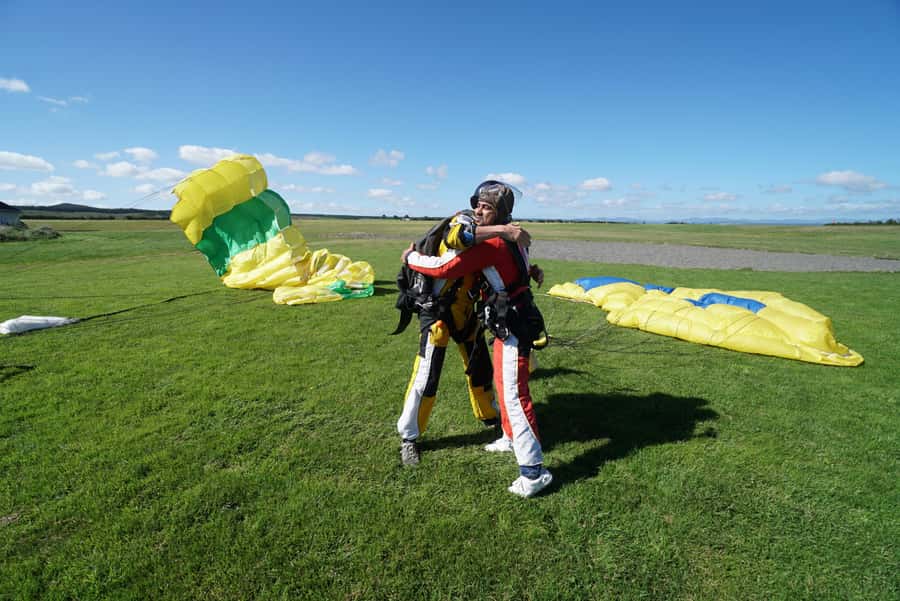
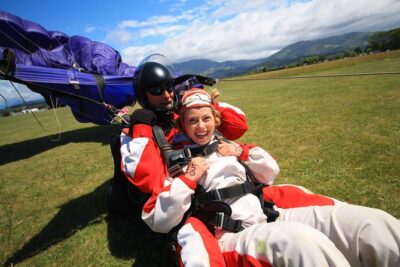
You then return safely to the drop zone. The landing is followed by the usual high fives and hugs, then you can check your jump photo and collect your completion certificate before returning to Taupo.
What the $196 price represents
The listed price is $196 per person. That includes hotel pickup and drop-off, the tandem skydive, safety briefing, equipment, an experienced tandem master, the buff headband, and a completion certificate.
That is a fair package if you value convenience and the Taupo setting. You are paying for an aircraft flight, trained staff, specialist equipment, transport, and a three-hour experience over one of New Zealand’s most striking natural areas.
The important extra cost is the photo and video package. It is not included, and you decide on it at the centre. I would make that decision before arrival so you are not trying to weigh the cost while excited and nervous. If you want proof for family and friends, or expect to watch the jump again, the package may be worthwhile. If you are happy to keep the memory private, skip it and save the money.
One practical point: a recent jumper reported upgrading to a higher jump for only NZ$50. Prices and upgrade terms can change, so ask at check-in rather than assuming that deal will be available. The higher jump is usually the better use of extra money if your priority is more free-fall time.
Who should book, and who should think twice
This suits adults and older teenagers who want a major thrill but prefer a structured, supervised experience. It is especially good for first-timers, couples, families with eligible teenagers, and anyone looking for a memorable Taupo activity with strong views.
The team has handled different confidence levels well. A 17-year-old wanted the full adrenaline rush, while a 50-year-old mainly hoped to survive, and the staff adjusted their support to each person. That is useful if your group includes people with very different levels of courage.
The listed minimum age is generally 14, though children under 14 may be assessed on the day. One supplied account describes a 13-year-old being allowed to jump after assessment, so do not assume that example guarantees eligibility. Confirm the rule for your child before booking.
The published information gives two different upper weight figures: a 100 kilogram, or 220 pound, limit, and a note saying the activity is not suitable for people over 260 pounds, or 118 kilograms. Since those figures do not match, contact the operator before booking if you are near either limit. Your height, weight, and medical condition are assessed on the day.
Pregnant women and people who have been diving within the previous 24 hours are not suitable for this activity. The information also describes the activity as wheelchair accessible while separately listing wheelchair users as unsuitable, so anyone with mobility needs should confirm the current arrangements directly before paying.
Weather and planning advice
The activity depends on weather. Wind, cloud, or poor visibility can delay the jump, and one participant had a weather-related delay before receiving a call to say conditions had improved.
Keep your schedule flexible and avoid putting this on the final morning before an important departure. If weather stops the jump, a later time may be offered, but the supplied booking terms allow free cancellation up to 24 hours in advance and let you reserve now and pay later.
A morning booking can make sense if you have other plans later, but no particular start time is guaranteed here. Check availability for the day you want and allow the full three hours.
Bring closed-toe shoes and comfortable clothing. Do not bring a camera for the jump. You will receive the buff headband, and the completion certificate gives you a simple souvenir even if you do not buy the media package.
Is this Taupo skydive worth booking?
Book it if you want a serious thrill with exceptional views and strong support for first-timers. The staff receive consistent praise for professionalism, humour, and calm instruction, and the setting gives the jump a real sense of place.
I would choose 15,000 feet if the budget allows. It gives you 60 seconds of free fall without automatically choosing the top-priced option. Choose 12,000 feet if cost is the concern, and 16,500 feet if you want the longest possible free fall.
Skip it, or plan carefully, if your itinerary cannot absorb a weather delay, if you are close to the weight or medical limits, or if the extra photo and video cost would stretch your budget. For most eligible visitors who want one big story from the North Island, this is a strong choice.
FAQ
How long does the Taupo tandem skydive experience take?
The full activity takes about three hours, including pickup or arrival at the airport, preparation, the plane ride, the jump, the parachute ride, and return transport.
How much free fall do I get?
The 12,000-foot option includes about 45 seconds of free fall. The 15,000-foot option includes about 60 seconds, and the 16,500-foot option includes about 70 seconds.
What views can I see during the jump?
You can see Lake Taupo, Mount Ruapehu, and Mount Ngauruhoe, also called Mount Doom from Lord of the Rings, when visibility is good.
Is hotel pickup included?
Pickup and drop-off are available from Taupo accommodation or the town centre. You can also meet the team at the bright yellow hangar at Taupo Airport, where free parking is available.
What should I bring?
Bring closed-toe shoes. Cameras are not allowed during the activity. Photo and video packages are available to purchase separately on the day.
Is the skydive suitable for children?
Children under 14 are generally not suitable, although children under 14 may be assessed on the day. Confirm the age requirements directly before booking, especially for a child close to the minimum age.
Is there a weight limit?
The information lists a 100 kilogram, or 220 pound, limit. It also says the activity is not suitable for people over 260 pounds, or 118 kilograms. If you are near either figure, confirm your eligibility before booking.
Can I cancel the booking?
You can cancel up to 24 hours in advance for a full refund. Reserve now and pay later is also available, subject to the booking terms.
Newest jumps around New Zealand
- Tandem Skydive 10,000ft from Franz Josef★ 5.0 · 4 reviews
- Tandem Skydive 13,000ft from Franz Josef★ 4.5 · 16 reviews
- 13,000ft Skydive over Abel Tasman with NZ’s Most Epic Scenery★ 5.0 · 20 reviews
- 10,000ft Skydive over Abel Tasman with NZ’s Most Epic Scenery★ 5.0 · 10 reviews
- Queenstown: Ticket for 2 Indoor Skydiving Flights★ 4.4 · 15 reviews
- Tandem Skydive 16,500ft from Franz Josef★ 5.0 · 19 reviews
- 16,500ft Skydive over Abel Tasman with NZ’s Most Epic Scenery★ 5.0 · 23 reviews
- Tandem Skydive 18,000ft from Franz Josef★ 4.5 · 29 reviews
Tandem Skydives in New Zealand, side by side.
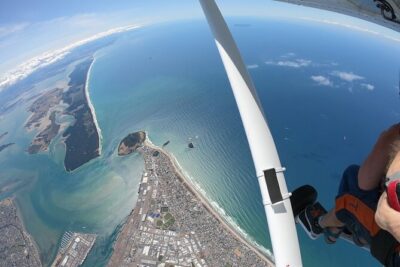
15,000ft Tandem Skydive in Tauranga – Bay of Plenty
Read our review →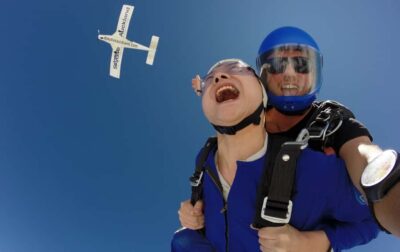
Lists this jump appears in